

Blog Posts
-
Motivation gets You Started, but Discipline Keeps You Going
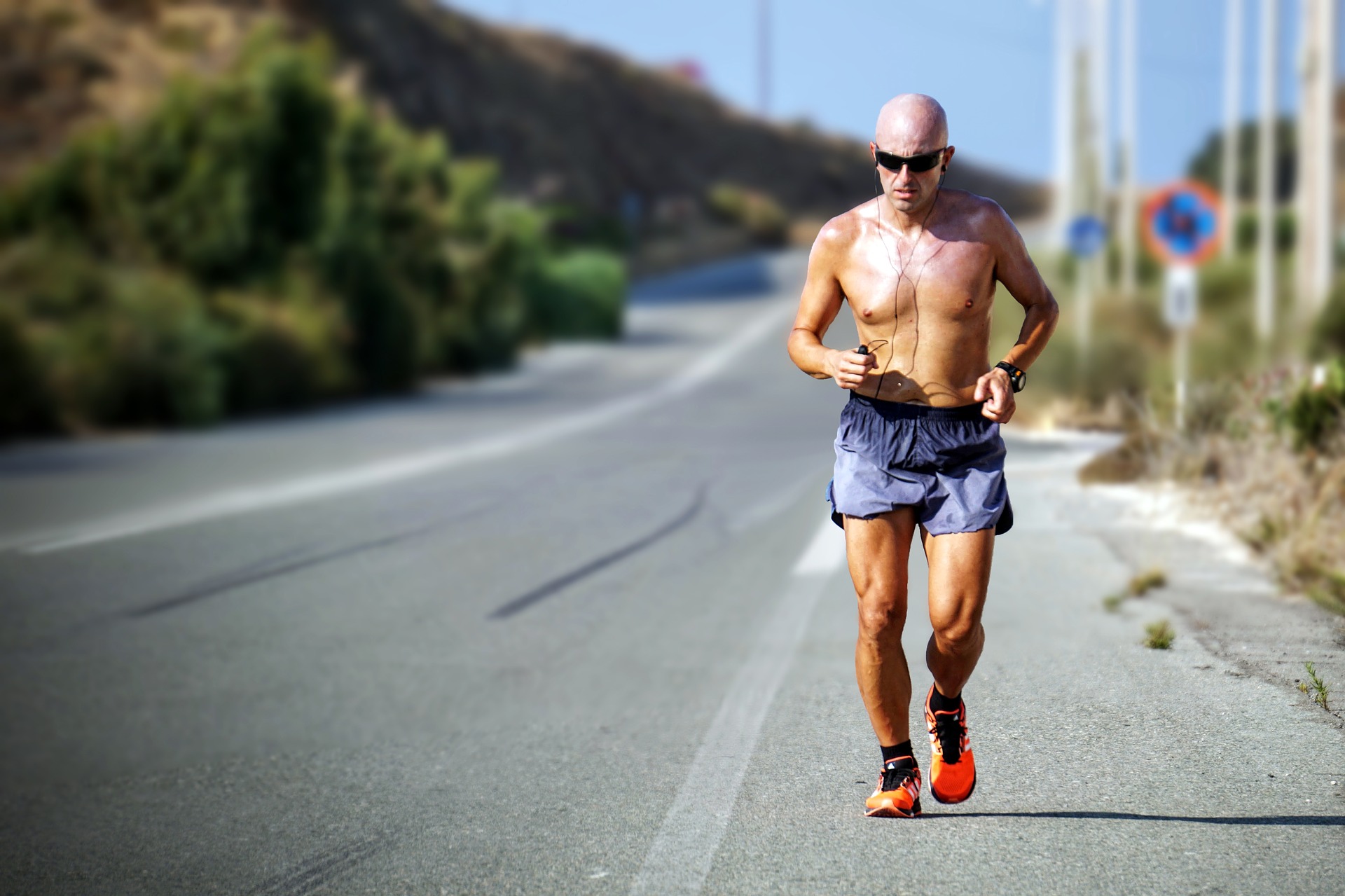
It’s early morning and you’re alarm’s ringing. It’s dark outside and the rain (or snow) is pelting against the window. Or maybe you’ve come home from work and just want to sit on the couch. But it’s time for you to exercise. How many times have these, or similar situations, happened to you? You’ve planned…
-
Can exercise prevent and treat cancer?
When we hear the word cancer, most of us think of a deadly disease treated by harsh chemicals and radiation. We might wonder what caused it; was it smoking, too many x-rays, using the cell phone, genetics or something else? Rarely do we think it might be due to not getting enough exercise but targeting…
-
Will losing weight make you healthier?

Advertisements, news articles, celebrity interviews, blogs, books, social media. We’re inundated with information on weight and weight loss. Along with it is the notion weight is closely connected to health. And, with that, losing weight will improve one’s health. It may not come as a surprise then that the weight loss industry is worth approximately…
-
Is it better to exercise all at once?

Crunched for time and not able to get your full exercise session done? Can you make do with doing less? What about splitting it up into smaller sessions a few times throughout the day? Or do you put it off for another day and do extra to make up for it? You’re not alone. This…
-
Busting Six Myths About Nutrition

There’s probably nothing more contentious in health than nutrition and dieting. Part of this is due to the lack of certainty in nutrition science. For example, you can find just as many studies saying eggs are bad for you than ones saying they’re fine (which they are and eggs can be part of a healthy…
-
When is the best time to exercise?
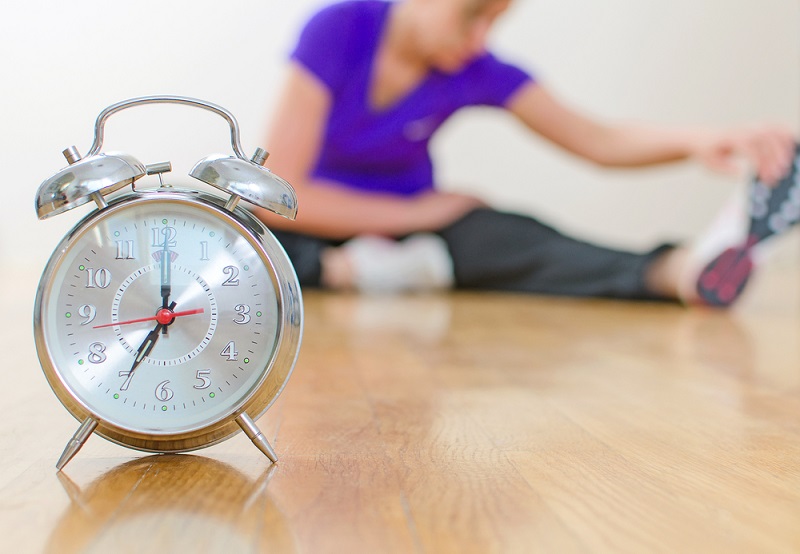
Morning, afternoon or evening? When do you exercise? People exercise at all different times throughout the day. When you exercise is probably due to when it’s most convenient for you. But what if there’s a best time to exercise? A time when you’re more likely to reap all the benefits of exercise than any other…