


No matter what age you are, you have likely experienced some sort of pain. This could be something as simple as stubbing your toe or breaking a bone. It can also be something ongoing, such as pain from arthritis or due cancer progression or treatment. These types of ongoing pain are called chronic pain. And it may seem like rest is the best option, but getting up and moving may be the best way to reduce your pain.

What is Pain?
Pain is an unpleasant sensation that can either be physical or emotional. At the basic level, the pain sensation is transmitted through your nervous system to your brain. Throughout your body are pain receptors (nociceptors). These receptors detect physical damage, such as a broken bone or cut in your skin. There is also pain caused by inflammation or nerve damage. Regardless of the type of physical pain, the receptors signal the brain by converting it into an electric signal that is carried through your nervous system.
While you may not like pain, that is the entire point of it. The unpleasant sensation warns you that something isn’t right to either prevent damage from occurring or prevent it from getting worse. Imagine if you accidentally put your hand on a hot stove but could not feel the pain. Your hand would burn until you sense it in another way (sight or smell) and move your hand.
Acute pain is pain that doesn’t last long. Usually, it subsides as your body heals. Chronic pain is more problematic. It can be the result of a chronic illness, its treatment or even of unknown origin and last for months or years. It’s estimated one in five people live with chronic pain making it a major cause of disability and use of healthcare resources. And with age, the likelihood of someone experiencing chronic pain increases.

How Does Exercise Affect Pain
Perhaps the last thing you want to do when you have chronic pain is to move, much less exercise. But there’s a lot of evidence to support exercise helping manage chronic pain. When you exercise, your body releases hormones such as endorphins. Endorphins are your body’s natural pain killers. They do this by blocking pain signals to the brain. This makes sense from an evolutionary perspective. For example: if you’re trying to escape a bad situation, you don’t want to be stopped by pain.
Being active also improves strength and mobility, which can strengthen joints and make them less susceptible to pain. People who exercise also report better sleep quality, this can help minimize pain as being sleep deprived can increase the intensity of pain. Similarly, exercise can improve mood, which can make pain more tolerable. And also, exercise reduces inflammation, which can, in part, be responsible for the pain.
Exercise and Pain from Disease
Regular exercise has also been shown to increase pain tolerance. In one study, people who exercised were able to hold their hand in 3 degree water (a common test for pain tolerance) longer than non-exercisers. Intervention studies have also shown exercise can improve pain tolerance. And it is possible higher intensity exercise may increase pain tolerance more than moderate intensity exercise. This may be due to high intensity exercise resulting in pain itself.
A number of studies have looked at how exercise can affect pain from specific diseases. For cancer patients, randomized studies have shown that exercise can reduce pain. And both aerobic and strength training exercises are effective. Fibromyalgia, a chronic pain condition that affects about 2% of the population, can also benefit from exercise. These studies show that aerobic exercise, Tai Chi and strength training are all effective at reducing pain from fibromyalgia.
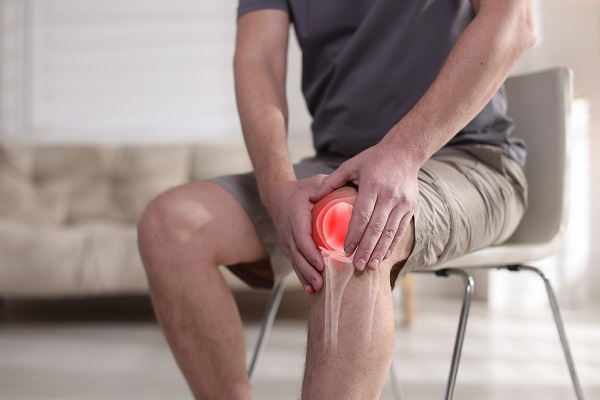
The effect of exercise on arthritic pain has been most commonly studied in people with knee osteoarthritis. An analysis of over 200 studies found exercise to effectively reduce pain. A separate study found both yoga and strength training are also effective. While less studied, hand mobility and strengthening exercises have been shown to reduce arthritic pain in the hand.
If you, or someone you know, experience chronic pain, exercise and movement can help. If you aren’t currently exercising, start small and let your doctor know you want to start exercising. See what exercises you like and how your body reacts. Don’t jump into it too fast and have a plan.
If you like this post, don’t forget to subscribe to my blog at the bottom of the page.
Enjoy listening to podcasts? Check out my show How to Health. A podcast about you and your health.
Leave a Reply