

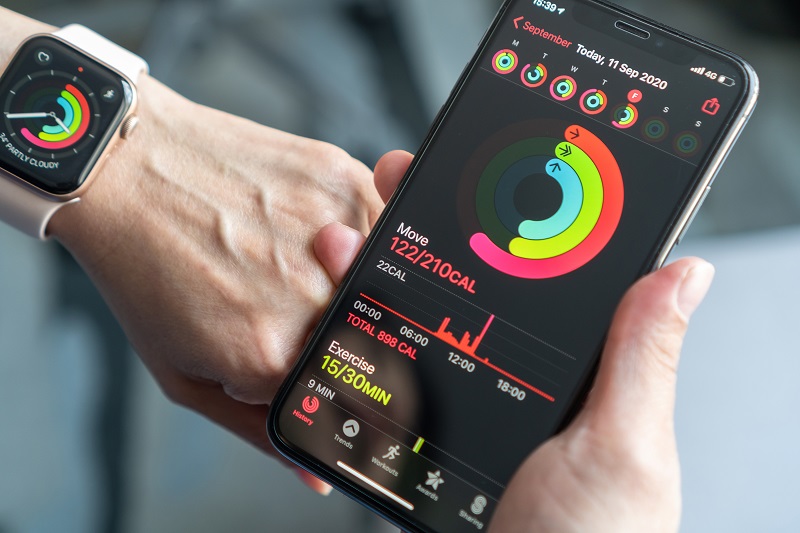
Lots of people talk about exercise and calories in the same breath. Exercise machines flash how many calories burned. Fitness influencers focus on body fat and how one looks. One would think the only reason to exercise is to burn calories. But exercise and activity are far more than just calories.
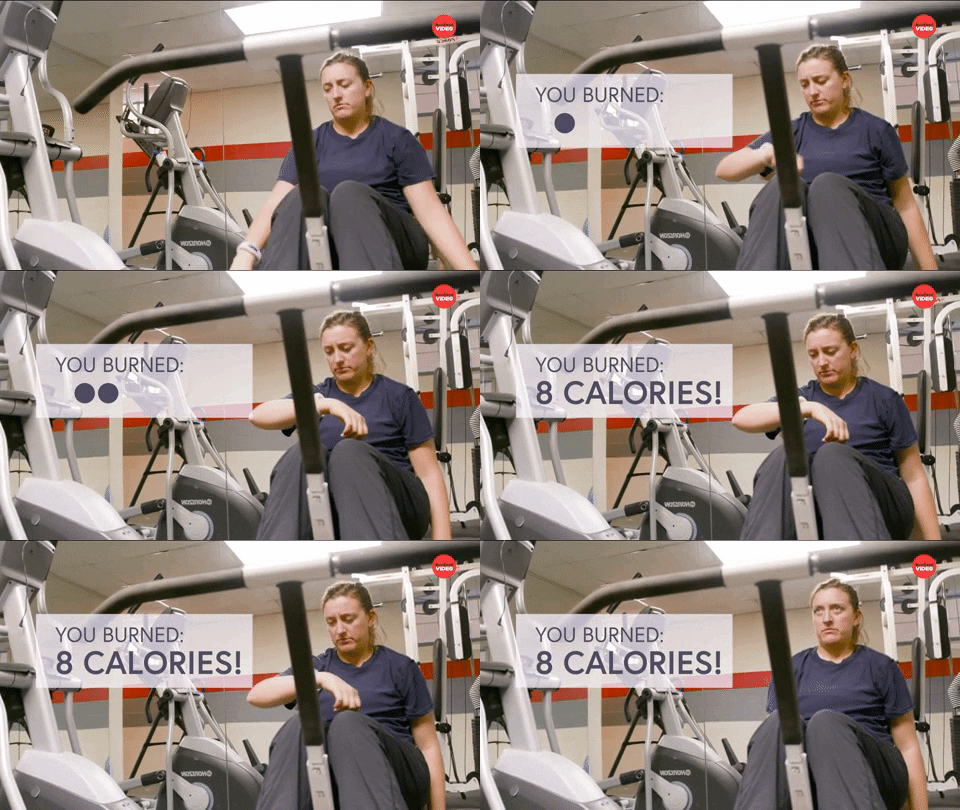
Exercise and Calories – The Reality
Calories are a measure of energy. One calorie (which is actually a kilocalorie) is the amount of energy needed to raise 1 litre of water by 1 degree Celsius. Calories are used as a measure of energy in foods as well as how much energy you use being active. So, yes, it’s true that exercise and activity burn calories. But just not as much as people think.
Most calories you use in a day come from the bodily functions needed to stay alive. Even when you’re not moving, you’re still burning calories. Things such as breathing, your heart pumping and digestion use calories. For most people, this can range from 1500 to 2000 calories per day.
The amount of calories used for daily activities is on top of that. This includes calories for things such as your exercise, but also small activities like walking to the washroom and chopping up food for cooking. The reality is that these activities require very few calories. For example, 30 minutes of walking is about 100 calories, the same energy in an apple, making exercise a small factor in weight loss.

Benefits of Exercise
That doesn’t mean that exercise has no value. First off, the notion that weight (or rather excess fat) and calories are crucial indicators of health is wrong. They have a role, but your health is far more than your weight. Second, there are numerous real benefits to exercise and being active beyond how many calories you burn.
Exercise has benefits that extend from your head down to your toes. A single session of exercise can lower your blood pressure. It can give you a burst of energy, increase your mood, productivity and memory. It can also help you sleep better later that night.
Over time, you’ll start to feel stronger and have more energy. This means everyday tasks, such as carrying the groceries and going upstairs are easier. Your resting heart rate will go down as your body becomes more efficient. Insulin and glucose metabolism improves, reducing your risk for a number of diseases. Your immune system gets stronger, meaning you’ll get sick less often. You’ll also be adding years to your life as your chances of getting diseases goes down. In fact, it’s estimated that for every minute of exercise, you can get six back in longer life.

What counts as exercise and activity?
It’s recommended adults get at least 150 minutes of moderate activity or at least 75 minutes of vigorous activity each week. That’s about 20-30 minutes of activity on most days. With the goal being to aim for twice that amount as it will maximize the benefits you get from your exercise. But if you’re not very active now, just know that even the smallest amount of activity is better than none. And work towards these amounts.
So, what is moderate and vigorous activity? You can use the sing-talk-gasp test to guide you. Moderate activity is something you can talk while doing but not sing. This could be a brisk walk, a leisurely bike ride, mowing the lawn or shovelling snow. Vigorous activity is at a higher intensity, and it makes it hard to get sentences out. You can say a few words but then you’ll need to catch your breath. Activities such as running, play tennis, dancing and carrying groceries up the stairs count as vigorous activities.
In addition, everyone should get in two sessions per week focused on increasing strength. Maintaining strength and muscle mass is import to long term health and also everyday activities. The stronger you are, the easier the day is. This becomes even more important with age as muscle strength and size goes down after the age of 30 without any strength training. By the time someone’s in their 70s and 80s, independent living can be a challenge.
Now you don’t have to go to a gym (but you can!) to get in strength training. You can do things like push-ups, squats and pull-ups, using your own body as the weight. You can also use dumbbells and resistance bands, or anything around the house that can be used as a weight. The goal is to increase strength, so you don’t need to spend a long time doing it. Just 8-10 repetitions with a weight that is challenging but not hard. And then repeat that 2-3 times.
Exercise does burn calories and can be an important part of a weight loss routine, but the benefits you get to your physical and mental well-being extend far beyond just calories.
If you like this post, don’t forget to subscribe to my blog at the bottom of the page.
Enjoy listening to podcasts? Check out my show How to Health. A podcast about you and your health.
Leave a Reply