

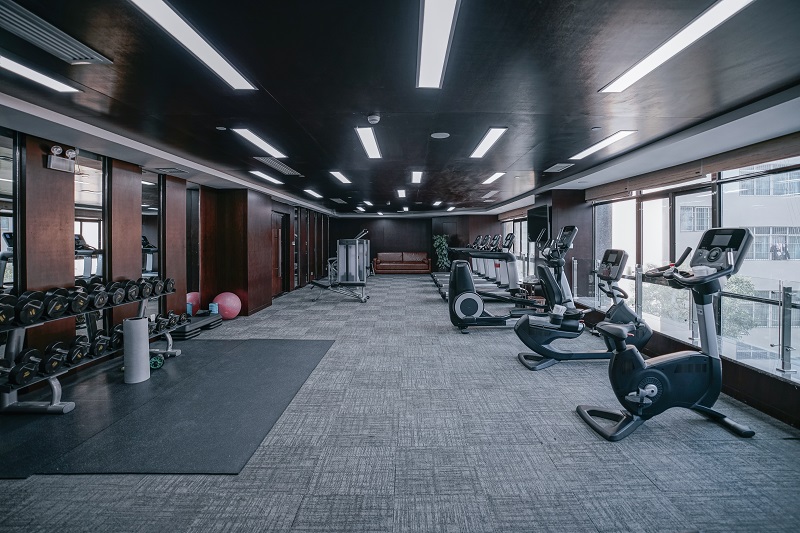
Only about half of people are sufficiently active. This is based on recommendations adults get at least 150 min/wk of moderate or 75 min/wk of vigorous activity (or a combination of the two). Exercise has numerous health benefits such as preventing disease and can add years to your life. Given these numerous health benefits, why don’t more people exercise?

A Brief History of Exercise
The notion of exercise as we know it, is a modern concept. Exercise is defined as a structured activity meant to improve, or sustain, health and fitness. It’s only been in the last 60 years that exercise has become something of a necessity. However, being active and efforts to improve fitness have been around for 1000s or years. Primitive humans relied on being fit to be able to hunt for food. They also undertook activities of play and competition to train and maintain their hunting skills. Ancient civilizations in China and Greece recognized the potential health benefits of activity and fitness. But these were outliers as the most common reason for civilizations to promote activity was to keep their military in good shape.
It’s only in modern times the widespread promotion of exercise has taken root. This is largely due to the lack of activity we now get from our daily lives. Over decades we’ve automated many tasks from manufacturing to doing the laundry. So exercise has become a way to bring activity back into our lives. Not getting enough exercise is pretty much a first world problem, as physical activity tends to be greater in countries that are less economically developed. Although it is creeping into all societies around the globe.
Why don’t people exercise?
There are many reasons people don’t exercise. You’ve probably heard them before. Or maybe even said some of them yourself (as I have). The most common ones we typically hear are not enough time/too busy, no motivation, don’t like exercise, too old and can’t afford the cost.
But there are also reasons why people miss a workout or quit exercising altogether. Of course, one missed workout isn’t a big deal. It’s when it happens more often that it starts to become a concern. Some of these reasons are the same as why people don’t exercise at all, such as life getting too busy and cost. Other reasons include boredom and lack of enjoyment, injury and not seeing results.
An overlooked reason for not exercising can be the result of a previous bad experience. This could be as a child in phys ed class, where activity is often given out as punishment. Or a coach who treated their players poorly. Or even being intimated to go to the gym as 40% of adults mentioned in one survey. These reasons may be more common than we hear as people are less likely to share their fears and may just say they have no time instead. In the end, why people don’t exercise, or why they stop exercising, is that they perceive the negatives of exercising to outweigh the positives.
Many of these reasons can be addressed, as they stem from common misconceptions about exercise. For example, one can build short bursts of exercise throughout their day in an efficient matter. And there are plenty of ways to be active without going to the gym.

Why do people exercise?
To understand why people don’t exercise, it’s helpful to look at why people do exercise. When we think of reasons to exercise, health might come to mind. Or even weight loss. Indeed, these are often reasons given to people for why they should exercise. Surveys of exercisers also back this up, with health being a number one reason to exercise. But are most people really thinking about their health when they’re out running or playing tennis? More comprehensive research doesn’t support health as a motivator for exercise.
If health was such a great motivator for people to exercise, one would think everyone would be exercising. But we know that isn’t the case. And many of us likely engage in behaviours that may not always be healthy or safe, whether it’s smoking, using the phone while driving or speeding. Even though we know these things aren’t safe for us.
It’s possible many people start an exercise program for health reasons, but what motivates people to start is likely different from what keeps them doing it. New exercisers said enjoyment was their top reason to keep exercising one year later. This makes sense, because why would someone choose to do something that wasn’t enjoyable. And it’s consistent with the extensive research indicating exercise can improve mood and reduce stress through the release of several hormones.
Do you have to exercise, to exercise?
Previous guidelines emphasized exercise as the foundation for being active. But it’s now clear you can get the physical and mental health benefits of activity even if you don’t exercise. Snow shovelling is not much different from running on a treadmill. Mowing the lawn is like going for a brisk walk or moderate jog, and climbing stairs at a moderate pace is similar to swimming. Even small amounts of vigorous activity, such as carrying groceries is beneficial in people who don’t exercise.
Over time, these activities can really add up. Our research has shown that activities done as a part of work, commuting by foot or bike, and even doing household chores can have substantial health benefits. In fact, the people who got the most activity were those who were active throughout the day and not just during leisure time.
If you’re looking to start an exercise (or activity) program, start small. It’s the total of activity throughout the day that counts. You can even get your activity in short bursts over the course of the day. Start by building the habit of exercise first before worrying about how long you do it for. For example, if you want to go to the gym, go even if it’s just for five minutes. Five minutes is better than nothing, and just by going, you get into the routine (more habit-forming tips can be found here).
And remember, exercising and being active is meant to be fun. If you’re not enjoying it, look at how you can change things up to make if more fun. Then it actually stops being exercise.
If you like this post, don’t forget to subscribe to my blog at the bottom of the page.
Enjoy listening to podcasts? Check out my show How to Health. A podcast about you and your health.


Leave a Reply