

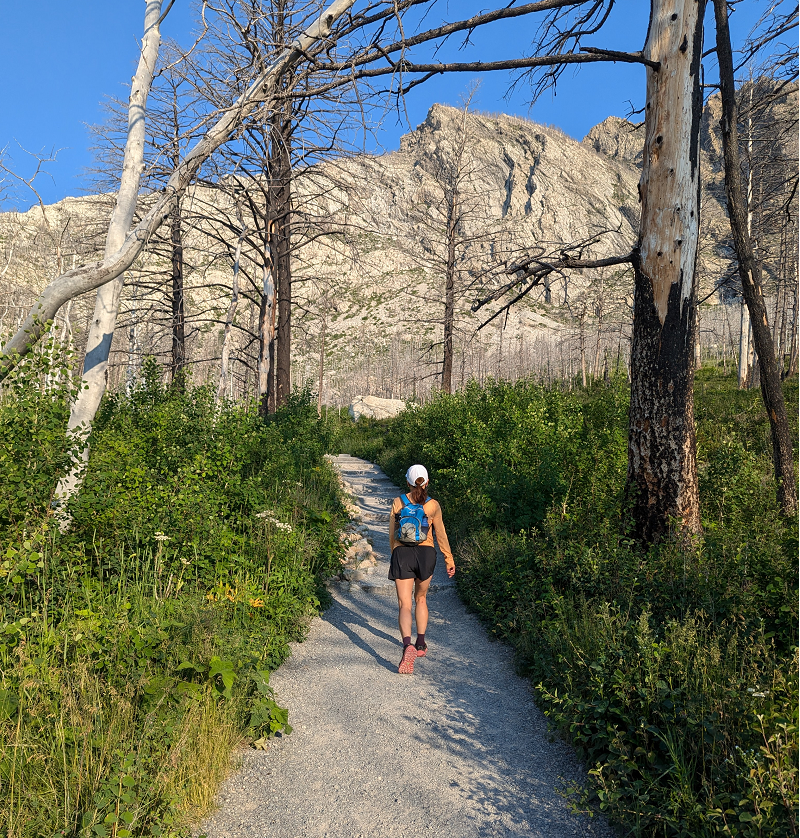
It’s only been in the last few centuries we’ve begun to spend increasing amounts of time inside. And much of this time is spent in the effort of working or mundane activities (i.e. watching TV). When we do go outside, we’re met with the business of the urban environment. However, our brains are more evolved to the peacefulness of nature. Because of this, there are many benefits of being in nature to your health and well-being.

Nature Makes Us Active
Being outside usually means doing some sort of activity, whether it’s exercise, going for a walk or household chores such as gardening. There’s something about being outside that promotes activity. So much so, that as close to 80% of Canadian households participate in outdoor activities. And outdoor activities in the US are also on the rise.
The effect of being outdoors and closer to nature on activity is so powerful that walkability scores consider how much greenspace (i.e. parks, fields, forests) a neighbourhood has. The greater amount of greenspace, the greater the walkability as having parks nearby is associated with more walking. This is due to a nearby park being a destination to go to. And greenspace is also preferred by people who run and cycle. Most likely because greenspace is visually appealing and quieter than being in dense urban areas.
It’s not just these forms of activities the outdoors has an effect on. Activities such as hiking, skiing and canoeing are on the rise and are ones that get you closer to nature. In some countries, more than 50% of people hike at least occasionally. And as many as 200 million people are believed to ski worldwide.
Health Benefits of Nature
But the benefits of nature are more than just getting people to be active. Nature has a calming effect and can result in a lower occurrence of stress, depression and anxiety. And a single 90-minute walk in nature can reduce rumination and enhance positive thinking. It’s also been associated with improved learning and a push for more outdoor education in schools. Neighbourhoods with more trees also tend to have greater community cohesion and less crime.
Access to greenspace can also affect your physical health. People with more access to greenspace are less likely to have obesity or get heart disease, and are more likely to live longer. And having more trees in your neighbourhood has been linked to healthier birth outcomes from women living in the area.
Have a Bath in Nature
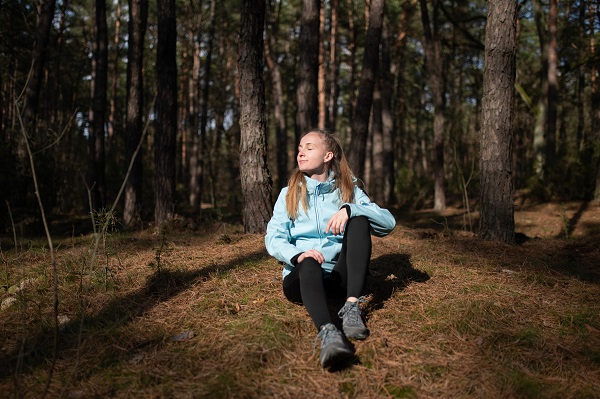
In Japan, the act of ‘forest bathing’ has been practiced for decades. And it doesn’t rely on being active (although you can be) but immersing yourself in the forest. Compared to being in the city, a three-day trip in the forest resulted in increases in anti-cancer cells. However, not all of us have the time to spend three days in a forest and the good news is, you don’t have to. As little as two hours per week in parks, fields and forests can lead to better health and wellbeing.
There are a number of reasons why being in nature and forest bathing may be good for you. Trees are known to give off compounds called phytoncides. Phytoncides are airborne compounds trees give off to protect them from insects and infection. It’s believed exposure to phytoncides can improve human immune function. In addition, cortisol levels (the stress hormone) are reduced with as little as 20 minutes in a city park. Air pollution, which is associated with adverse health outcomes such as heart disease, is lower in areas with more trees and greener environments.
But those reasons don’t explain why looking at pictures of trees and plants can reduce stress, blood pressure, heart rate and muscle tension. Further studies have found using virtual reality to view forests also reduces cortisol levels. It’s likely that more than one path exists to explain the benefits of nature.
Take a Hike and Call me in the Morning
Connecting with nature is also good for patients recovering in the hospital. While ancient hospitals and monasteries commonly had gardens, the hospitals we know now are comparatively devoid of them. But back in 1984 researchers assigned a small group of patients to a room with a view of trees and a garden, while others had a window facing a brick wall.
Those patients with the view of nature had faster recovery and shorter hospital stays. While gardening can reduce isolation and anxiety in hospitalized psychiatric patients. These findings make a compelling case that hospital gardens may actually have a role in reducing health costs. In the United Kingdom, hospital gardens are making a comeback and there are guidelines on how to design healing gardens for maximum impact.
Doctors are also recognizing the power of nature by prescribing it to their patients. In 2022, Parks Canada partnered with PaRx, an organization led by health professionals who prescribe time in nature to their patients, to allow doctors to prescribe Adult Parks Canada Discovery Passes. With these passes, patients can access Canada’s national parks, national historic sites, and national marine conservation areas. This follows similar programs in many other countries such as New Zealand, Japan, the United States and the United Kingdom.
If you like this post, don’t forget to subscribe to my blog at the bottom of the page.
Enjoy listening to podcasts? Check out my show How to Health. A podcast about you and your health.

Leave a Reply