


Nearly 1 in 3 adults in developed countries has obesity. Obesity carries with it significant physical and mental health challenges. People with obesity are more likely to get type 2 diabetes, heart disease, certain cancers and die earlier. And then there are lesser-known concerns such as greater chances to get dementia, arthritis and joint pain. People with obesity are also less likely to get married and have a family. Or get promoted.

It’s Been Around for Millenia
Obesity isn’t new. Ancient artifacts such as the Venus of Willendorf, from around 30 000 BC depicts a woman with ample body fat. This gives us some indication that obesity has been with us for a long time.
Obesity is present in every society. In China, which is generally associated with being thin, the prevalence of obesity has gone up nearly five-fold in the past 15 years. Even in the highly active Amish populations, who live a lifestyle similar to that in the late 1800s, approximately 8% of adults are obese. Although physical activity is crucial to lifelong health, it is not an ideal method for weight loss.

What is obesity?
Obesity is defined by the body mass index (BMI). The BMI is a measure of your weight (in kg) over your height squared (in metres). A value of 30 kg/m2 or above is considered obesity. But BMI is a measure of weight. Weight includes fat, muscle and bone. The problem with using BMI is someone who’s built like Dwayne Johnson is considered obese. But no one would say he has obesity, because it’s fat we’re interested in.
New guidelines have started to shift how obesity is defined and viewed. In August 2020, I was a co-author of Obesity Canada’s Canadian Adult Obesity Clinical Practice Guidelines. These guidelines guide how physicians and other health care professionals manage patients with obesity. In these guidelines, obesity is defined as a disease when excess body fat impairs health and increases risk of medical problems and early death.
More recently, The Lancet Commission on Obesity was published. It created a distinction between obesity and clinical obesity. Obesity was defined as excess body fat, while clinical obesity “…as a chronic, systemic illness characterised by alterations in the function of tissues, organs, the entire individual, or a combination thereof, due to excess adiposity.”
Both guidelines define obesity as a disease. This follows other countries and organizations. Portugal was one of the first countries to consider obesity a disease in 2004. But it wasn’t until the American Medical Association called obesity a disease in 2013 that people began looking at more closely. The Canadian Medical Association followed soon after.
What does it mean if obesity is a disease?
The definition of disease is simple. It’s a condition that impairs normal function of one or more parts of the body. So how does obesity fit into this definition?
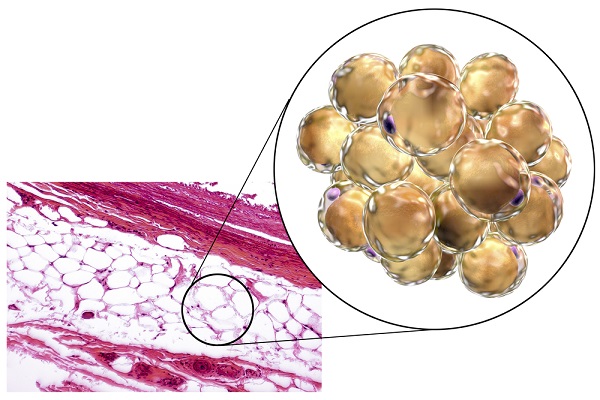
While many of us see obesity as only an increase in body fat, it is much more than that. Excess body fat results in changes to how the body functions by increasing the size of your fat cells. However, having obesity in childhood can also increase the number of fat cells. These fat cells don’t go away when body fat goes down making the person more likely to gain the weight back.
Excess body fat also leads to more fat molecules in the blood, which then prevent insulin from working. This results in higher blood sugar. All of this leads to a greater chance for diabetes and heart disease. Obesity also leads to conditions such as sleep apnea, gout, as well as back and joint problems.
By defining obesity as a disease, it will better guide doctors and health professionals how to treat it This makes it easier for people with obesity to get treatment. And it is also hoped that it will reduce the stigma associated with obesity.

Whose fault is obesity?
Many people believe obesity is the individual’s responsibility. That it’s due to a lack of willpower. But it’s not like a person woke up one morning and decided to be obese. This would be like calling lung cancer or heart disease a choice since behaviours such as smoking, poor nutrition and being inactive are involved.
On a basic level, your body fat is the result of what you eat and how much energy you burn. And the fact that people can live in the same environment with some ending up with obesity, while others don’t, tells us there’s likely a genetic reason for a person’s body size. Conversely, we all know of the person who can eat a lot yet not gain weight, even if they don’t exercise. This is likely genetic as well.
Studies of identical twins (who share the same DNA) who grew up separately support this. Even with overfeeding, identical twins had similar amounts of weight gain.
But it’s not as simple as that. How much of your body size is due to genetics is up to much debate. And while there may be hundreds of genes related to obesity, very few people who are obese is directly due to their genes. Genetics also doesn’t explain why obesity has increased in such a short time. For that, we need to look at the environment.
As society works to make lives more efficient, it reduces the need for people to be active, so less energy is used. We also know people who live in a neighbourhood where there is no sidewalk, are less likely to walk. Likewise, if you don’t have access to, or can’t afford healthy foods, you may be left with eating calorie rich but nutrient poor foods.
Individual choice does have a role, but we can only make choices of the options in front of us. Understanding the process of obesity is a step forward in understanding how to prevent and treat it.
If you like this post, don’t forget to subscribe to my blog at the bottom of the page.
Enjoy listening to podcasts? Check out my show How to Health. A podcast about you and your health.
Leave a Reply