

Protein is an essential nutrient. Some experts think we get enough protein already. Or even too much, so we shouldn’t worry about. However, there’s much debate about how much protein one needs in their diet and what types of protein sources are best. So how much protein do you really need?
What is protein?
Protein is one of the three main macronutrients needed for optimal body functions. The other two are fats and carbohydrates. While fats and carbohydrates are fuel sources, protein is much different. Each gram of protein is 4 calories, similar to carbohydrates. But unlike fats and carbohydrates, there’s no mechanism to store excess protein. Instead, if you eat more than your body needs, the extra calories are stored as fat.
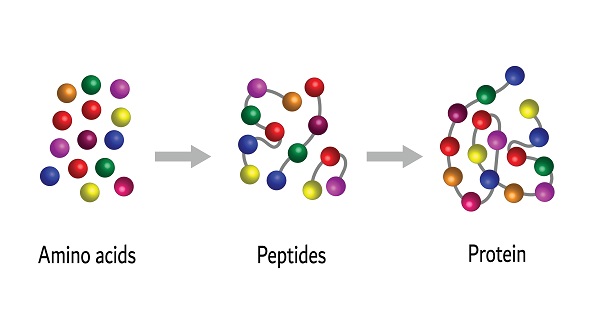
The building blocks for protein are amino acids. There are a total of 20 amino acids. A protein molecule can have 100s or 1000s of these amino acids strung together. Each amino acid is unique in structure but all contain carbon, hydrogen, oxygen and nitrogen elements. It’s the nitrogen combined with hydrogen that gives each one their amino group. We’re unable to store amino acids but of the 20 types, your body can make 11 of them. That leaves the remaining nine to come from your diet making these the essential amino acids.
There are numerous ways in which proteins are needed to keep your body functioning. Probably the first thing people think of when it comes to protein is muscles. That’s because apart from water, protein is the main component of muscles. But proteins do so much more. They’re involved in the structure of every cell and tissue (including bones), and are hormones, molecules to regulate genes, enzymes and make up the immune system. And in a pinch, if your body runs out of carbohydrate and fat stores, proteins can be broken down into ketones for energy. But this is a much less efficient way to fuel your body.

How much protein do you need?
The recommended daily allowance for protein in the US for adults is 0.8 g/kg/day. This is consistent with the European recommendations. For someone who weighs 150 pounds (68.2 kg), 55 g of protein per day is recommended. Based on this recommendation, most adults get adequate amount of protein. However, these recommendations have been challenged as being too low and a range between 1.2 to 1.6 g/kg/day has been suggested. And this higher range is likely more important for pregnant women, as you get older and if you exercise.
As you get into your late 30s and older muscle mass declines about 0.5% per year, and up to 1% per year by your mid-70s. By then, more than 30% of your muscle mass can be lost. And about 10% of adults 65 years and older have an extreme form of muscle loss called sarcopenia. Some of this is due to changes in hormone levels, reduced activity and not getting enough protein. With age, your body becomes less responsive to protein for building muscle, and requires more than younger adults. Therefore, it’s been recommended older adults (>60) aim for 1.2 g/kg/day. Indeed, randomized trials have indicated this amount of protein along with strength training, can increase muscle mass.
Increased protein is also needed for people who exercise. And it’s not just for bodybuilders. Whether you’re running, playing pick-up sports or any other activity, your body will need more protein for muscle recovery and growth compared to being sedentary. The American College of Sports Medicine recommends a protein intake of 1.2-1.7 g/kg/day, while the International Society of Sports Science recommends 1.2-2.0 g/kg/day. A more recent review of 49 studies found that a protein intake about 1.6 g/kg/day was sufficient to build muscle while strength training. Protein supplementation above that value did not result in further muscle gain.

Getting Protein into Your Diet
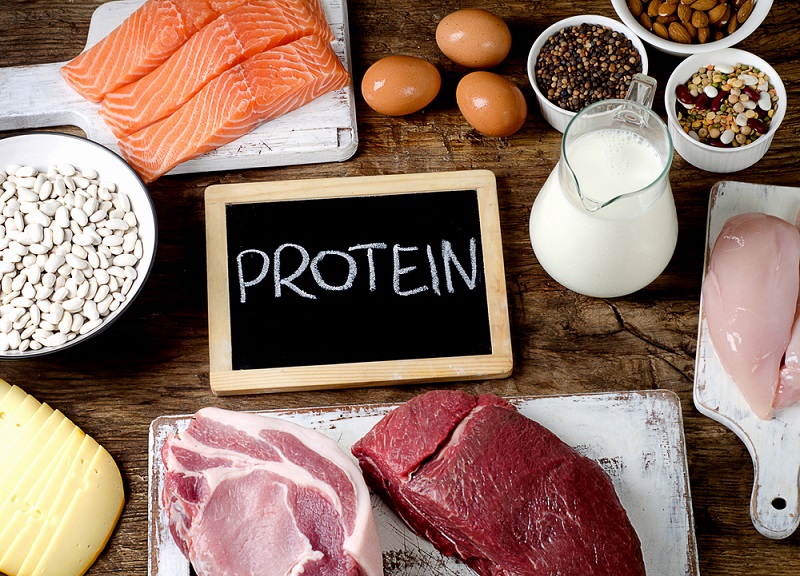
There’s protein in virtually ever food you eat, whether it’s from animals (meat, fish, eggs, dairy) or plants (nuts, legumes, fruits, vegetables). Pound for pound, meat and fish provide the most protein. Animal-based foods also have all the essential amino acids in them (so-called complete proteins), while most plant-based foods don’t.
But that doesn’t mean a vegan or vegetarian is missing out. Quinoa and soybeans (tofu, edamame) are complete proteins, while legumes (peas, beans, lentils), nuts and seeds are high protein sources. And as long as you’re eating a variety of foods, getting all essential amino acids shouldn’t be a problem. There are also numerous elite athletes who follow vegan or plant-based diets such as Novak Djokovic (tennis) and Tia Blanco (surfing).
For the overwhelming majority of people, a protein supplement (such as a powder or shake) isn’t needed. Most of us can easily meet our protein requirements through food. A protein supplement may be required for someone who’s pregnant (check with your doctor), an older adult with limited appetite or an athlete who may be on a calorie-restricted diet (protein supplements tend to be low in calories). But keep in mind that protein supplements don’t offer many of the nutrients whole foods do. And as they’re unregulated, some supplements have been found to include toxic substances, so look for ones tested by an outside party and are labelled as such.
Spacing your protein intake out throughout the day is also optimal for muscle growth. Most people have very little protein at breakfast, a bit more at lunch and a lot more at dinner. Spreading your protein out is beneficial as your body is always in a state of regeneration. Meals high in protein can also reduce feelings of hunger. And when added to breakfast may help with weight loss.

Can you get too much protein?
As with any essential nutrient, you can get too much of a good thing. For most people, getting too much protein isn’t likely to be a concern. But for those who are focused on a high-protein diet or looking to increase their protein intake, there could be some risks. The most common one being weight gain. While protein intake is helpful for weight loss, too much protein can lead to weight gain. Since protein provides calories, any extra protein you consume will be stored as fat.
A high-protein diet may also lead to bad breath. Especially if there’s a restriction on carbohydrates. This is due to the creation of ketone bodies. Many cells prefer glucose for energy over fat, particularly the brain. But when there aren’t adequate carbohydrates, fat is converted to ketones for energy. This can result in a metallic taste in the mouth and a strong fruit-like odour.
Other side effects may include constipation, dehydration, increased chances for kidney stones and for those with kidney problems, a high protein diet may overwork the kidneys as they get rid of the extra nitrogen from amino acids. It also matters what foods you eat to get in your protein. If you’re getting your protein by consuming a lot of highly processed foods, this can increases your chances for diseases such as heart disease and cancer.
If you like this post, don’t forget to subscribe to my blog at the bottom of the page.
This post was originally published on September 18, 2019 and updated on December 6, 2023.
Enjoy listening to podcasts? Check out my show How to Health. A podcast about you and your health.
Leave a Reply