


There’s a lot of health information out there. From blogs (such as this one) to podcasts to social media. Some of it is good information and, unfortunately, some of it is not and purposely misleading. Here are five common health myths and trends debunked.

Ice Baths Help Recovery After Exercise
Once the exclusive arena of performance athletes, ice baths have become mainstream. Globally, the ice bath market was valued at $330 million US in 2024 and it’s expected to double by 2033. This growth is due to a combination of ice bathtubs becoming more popular in fitness and wellness centres, as well as people purchasing tubs for use at home.
An ice bath, also known as a cold plunge, consists of submerging yourself into cold water. This can be as low as 10 degrees Celsius and either in a lake, ocean, or a tub. The tubs may also be filled with ice. There are many companies and social media influencers swearing ice baths improve their physical and mental health.
The evidence for any health benefits of ice baths is limited. Many athletes will take an ice bath to improve recovery and reduce inflammation based. But we now know this inflammation is part of the recovery period. Ice baths can also reduce pain, but that is temporary, because once you warm up the pain returns.
There are also risks to ice baths that include increases in heart rate and blood pressure. Breathing also speeds up and you may experience gasping. Cold shock can occur which may lead to a heart attack or stroke. The longer you stay in the ice bath, the more your core temperature decreases and greater your chances of hypothermia.
Seed Oils are Bad for You
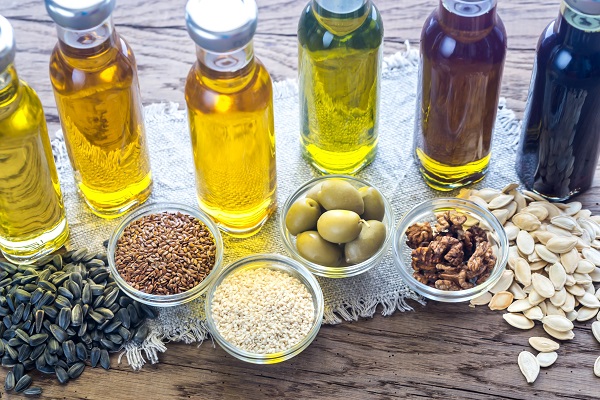
One of the latest nutrition trends these past few years is saying seed oils are bad for your health. Numerous influencers and even the US Health Secretary are known to have made claims against them. They suggest seed oils result in toxins (their word) and increase inflammation. To this end, the US Health Secretary has suggested replacing seed oils with beef tallow.
Seed oils are taken from vegetables seeds such as canola, sunflower and rapeseed. This is nothing new and most households and families have been using them for generations. In fact, vegetable oils have been used in cooking for thousands of years.
Seed oils consist of mono- and poly-unsaturated fats. These fats contain omega-6 and omega-3 fatty acids, which are essential fats (meaning your body can’t produce them). Consumption of these oils has been shown to be associated with less chance for disease and early death. This is supported by randomized studies indicating the fats found in seed oils improved glucose metabolism, reduced liver fat and improved cholesterol.

Cleanses can Improve Your Health
The premise of a cleanse (or detox) is to flush “toxins” from your body. A cleanse is usually done by drinking only liquids (vegetable or fruit juices), fasting or taking laxatives. The cleanse may take place over a few days and during that time no other foods can be eaten. The idea is to rid the body of external pollutants, with the premise to improve health. Claims of weight loss and other health benefits are also commonly made.
People promoting cleanses, generally on social media, tend to also sell cleanse programs and products. But there is little evidence to support the claims made by these people. Weight loss occurs since the cleanse is very low calorie, but weight gain afterwards is also likely. And your body has its own built-in cleanse mechanism with the kidneys and liver. These organs facilitate the excretion of toxins through urine, bowel movements and sweat, so there is really no need for a cleanse.
There are, however, safety concerns. As cleanses are low in calories, undernutrition is a problem. This can lead to fatigue, dehydration, dizziness and digestive problems. Since commercial cleansing products aren’t regulated and there is the risk of hidden ingredients that can harm your health.

Organic Foods are Healthier
Organic foods are those grown without synthetic pesticides, herbicides and fertilizer. The term has been around for over 100 years and it has become more commonly used with foods in the past few decades. Organic foods are certified by a government body. But that doesn’t mean food not labeled organic are not grown that way as the cost of certification may be too much for some farmers.
People buy organic foods believing they’re a healthier choice. And that they’re better for the environment. But this is up for debate. Growing organic foods enhances biodiversity and results in less environmental damage to the land. However, organic farms are less efficient, requiring more land for the same amount of crop as standardly grown food.
Whether organic foods are healthier is also not clear. Organic foods may have more antioxidants and micronutrients, but not all studies have shown a difference. Eating organic foods has been associated with lower chances of getting obesity and type 2 diabetes, and higher male sperm quality. The relationship with cancer is less clear with studies indicating no benefit of eating organic foods. Complicating matters is people who eat organic foods tend to be more health conscious and are wealthier- two things that on their own are associated with better health.

You Catch a Cold from Being Cold
The common cold is an infection of the nose, throat and windpipe. People often experience a cold two or more times per year. And while it’s uncomfortable, for most people it goes away within 7-10 days.
As a child you’ve probably been told by your parents, grandparents and other adults to dress warmly on cold days, otherwise you’ll catch a cold. This notion has been passed down for generations. And indeed, the common cold is more common during colder months.
However, the common cold is caused by a virus. It’s not caused by the cold itself. While as many as 200 different viruses can cause a cold, the rhinovirus is the most common. Colds are more common in the winter months as more people are indoors and the infection can spread more easily from person to person. The viruses also live longer in cold dry weather, which can also dry out nasal passages making them more susceptible to a viral infection. So while it may be easier to get a cold in the winter, the cold itself doesn’t cause the infection.
If you like this post, don’t forget to subscribe to my blog at the bottom of the page.
Enjoy listening to podcasts? Check out my show How to Health. A podcast about you and your health.
Leave a Reply