


Heart disease is the leading cause of death worldwide. In most countries, two out of five people will die from heart disease. While heart disease consists of many conditions, blockages in the artery are the most common. This can prevent blood, and oxygen, from getting to the heart and can lead to a heart attack or death. These blockages have their foundation in atherosclerosis that continue to grow over time. By the age of 64, more than 40% of people without known heart disease have atherosclerosis. Therefore, it begs the question, can atherosclerosis be prevented?
What is atherosclerosis?
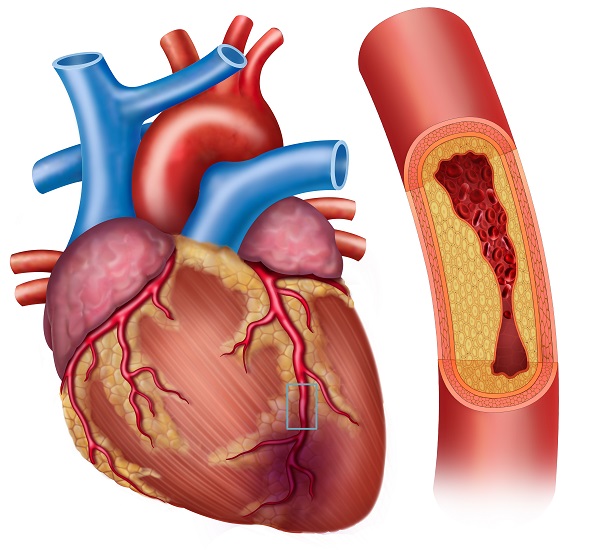
Atherosclerosis is the build up of fats, cholesterol and other substances inside the artery wall, sometimes referred to as a plaque. It can occur in any artery in your body, but if it happens in the heart arteries, it can be problematic. That’s because as the plaque gets bigger, it can prevent blood from flowing to your heart. Since your heart needs oxygen from the blood to keep beating, if it doesn’t get enough, it can starve (ischemia).
Atherosclerosis is commonly involved in heart attacks. This happens when an area of the heart has its blood supply cut off. As a result, parts of the heart starve from not enough oxygen and die. Heart attacks can occur when the plaque gets so big, it completely blocks the artery. But most heart attacks are the result of bits of the plaque breaking off. This is like a river eroding off bits of dirt from the shore. When this happens, blood clots at the on the plaque fully sealing off the artery so no blood can flow.
Atherosclerosis is a lifelong disease. It’s often assumed that it starts when a person has a heart attack, or just a few years earlier. In fact, atherosclerosis starts decades before any symptoms are present. A landmark study in 1971 found atherosclerosis in the 45% hearts of young men who died in the Vietnam war. And over the years, if not treated, the size of the plaque(s) will continue to grow.
How is atherosclerosis treated?
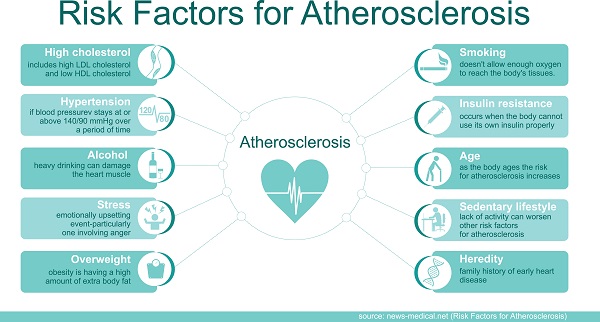
Atherosclerosis can be both prevented and treated. Prevention focuses on lowering risk factors such as hypertension, high blood glucose and high cholesterol, which can make your arteries more susceptible to atherosclerosis. In addition, being active, having a healthy diet and managing stress levels are also key. These lifestyle factors reduce the risk factors but also have their own way of lowering your chances for atherosclerosis. If your risk factors are too high, a doctor may suggest medications.
Treatment for atherosclerosis is much the same as prevention- lifestyle and medical management of risk factors. Treatment may also more aggressive than prevention. For example, it’s recommended LDL cholesterol be lower for people with atherosclerosis than for people without it. In people who have had a heart attack, programs such as cardiac rehabilitation, have been proven to prevent the chances of another heart attack and early death.
More involved types of treatment focus on clearing out any blockages in the arteries (angioplasty) or bypassing the blocked artery using a new artery or vein from somewhere else in the body (coronary artery bypass graft). The intent of these treatments is to restore or maintain blood flow to the heart. However, neither of these treatments are a cure. Rather they are mechanical solutions to a metabolic problem. In fact, many studies indicate medical management to be superior to angioplasty in reducing the chances of a future heart attack.

Can atherosclerosis be reversed?
Angioplasty and bypass are considered band-aid treatments. Neither of these procedures do anything to slow or reverse the process of atherosclerosis. Rather they target the consequence of the disease, namely the lack of blood flow to the heart. As a result, both are temporary solutions. It’s common for some people who have had an angioplasty to need one or a bypass.
The notion of reversing atherosclerosis isn’t new. In 1990, The Lifestyle Heart Trial reported that one-year of aggressive lifestyle management alone was able to reverse atherosclerosis. The program consisted of a low-fat vegetarian diet, stopping smoking, stress management training, and moderate exercise. After a further five years, atherosclerotic plaques continued to get smaller due to the intervention.
Other studies have demonstrated slowing down the growth of atherosclerotic blockages or even reversing it. A small, randomized study found that a year of exercise resulted in delayed progression. And in people who exercised 5-6 hours per week, atherosclerotic plaques got smaller. Using high-dose statin medications has led to similar results. The actual effect of these methods though, is quite small. It’s more likely to lead to delayed progression in most, which is of great benefit and still something to strive for.
If you like this post, don’t forget to subscribe to my blog at the bottom of the page.
Enjoy listening to podcasts? Check out my show How to Health. A podcast about you and your health.


Leave a Reply