


Figuring out what to eat isn’t easy. And trying to follow a healthy eating plan may be even harder. Nutrition isn’t like smoking, where the ideal number of cigarettes is zero. You need food to eat. Add to that the need to buy and prepare food, and things become more complex. In fact, three common reasons people eat what they eat are taste, price and convenience. Then there’s the relentless food marketing and influencers telling people what they should eat. It’s no wonder people can find nutrition challenging. So here are some common dietary challenges and how to overcome them.

How do I avoid the bad foods?
It’s quite common for people to label foods as good vs bad. And you can see these, and similar terms used by people on social media. Often the good foods are unprocessed, low in calories and high in nutritional density. Whereas bad foods tend to be ultra-processed foods, high in calories and devoid of nutrition. And with ongoing fad diets, anything from a high carbohydrate food to meat to vegetables can be fair game to be labelled as ‘bad’ by some nutrition influencers.
Labelling foods as good and bad infers that some foods are morally superior to others. It’s like saying a three-legged stool is bad but a four-legged stool is good. Yes, it may be harder to balance on a three-legged stool, but what’s bad about it. Viewing foods through a good/bad lens also affects how people feel when they eat one versus the other. Are you a bad person for eating a bad food?
The reality, there is no such thing as a bad food. Or a good food for that matter. There is just food. Certainly, there are foods one would be wise to eat less often, such as ultra-processed foods. As well as ones people would benefit from eating more of such as fruits and vegetables. It’s the frequency that counts. Eating a highly processed frozen dinner isn’t likely going to affect your health but doing so a few times per week may.
Not Enough Protein
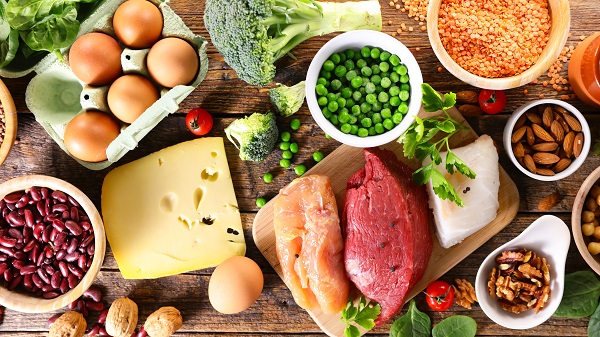
This one may not quite qualify as a challenge, given many people don’t realize they’re not getting enough protein. Protein is the main component in muscles (apart from water) and it’s involved in almost every process of the human body. But unlike fats and carbohydrates, your body can’t store protein, so you need to get some everyday.
The recommended daily allowance for protein is 0.8 g/kg/day for adults. Based on this, most people get enough. But these recommendations may be too low. And especially for pregnant women and those who are active. In addition, as you age, your body becomes less efficient at utilizing dietary protein, so more is also needed. A common recommendation is between 1.2 to 1.6 g/kg/day. This means for someone who weighs 150 lbs (68.2 kg) that’s between 82 and 109g of protein per day. Or, about 30 g per meal three times each day.
For someone not used to eating that much protein, it can seem like a lot. But with a bit of information on high protein sources, it can easily be achieved. For example, an ounce of meat has 10-15g of protein in it. While a half cup of beans, lentils or edamame has 7-9 g and Greek yoghurt, about 15g in ¾ cup. Nuts, fish and eggs are also good sources of protein. A peanut butter sandwich with high protein bread can be 20g. Add a cup of milk, or milk substitute, and you’re almost at 30g.
Healthy Food is Expensive
It might seem that healthy food is expensive, and in some cases it is. If you walk the produce or meat aisles, you’ll definitely find a wide range in prices. For example, organic foods are more expensive than their counterparts. As well as produce out of season. But eating healthy doesn’t have to be expensive.
When it comes to fruits and vegetables, buy them when they’re in season. Buying cherries in winter will set you back quite a bit. As an alternative for out of season foods, buy frozen (or freeze yourself). Frozen fruits and vegetables are always cheaper than their fresh counterparts, regardless of the time of year. And because they’re frozen right after picking, they can retain more of their nutrients compared to fresh foods that take days to get to the grocer.
Look for foods that may be discounted as they approach their best before date. This doesn’t mean they’ll go bad. A best before date isn’t a science and often food, if stored properly, will last well beyond that date. With meat and fish, you can often eat it that day or freeze it for later. In Canada and the US, try the Flash Food app, which alerts you to discounted food near its best before date at your local grocer.

Maintaining Your Diet
It’s estimated that 1 in 7 people are on a special diet. But this number may be an underestimate as nearly 50% of people are trying to lose weight at any given time. For most people, losing weight means following a certain diet. To be clear, we’re all on a diet. A diet is basically the food pattern you’re eating. But often we take it to mean a focused way of eating following some sort of plan.
There are lots of different diets out there. And many are effective at improving health (fat loss, reducing blood glucose and blood pressure, etc.). Usually, the challenge isn’t in starting a new diet, it’s trying to maintain it. Many diets often say what you can and cannot eat by restricting foods. And in so doing, create this all or nothing mentality in which some foods are good and others bad. Many diets (particularly popular fad diets) may have you avoid foods you like. Over time, a person can start to long for these foods. And if one does indulge, it can lead to self-shame and possibly quitting the diet altogether. The more restrictive a diet is, the more challenging it will be to maintain.
A problem with many diets, is they don’t consider how food fits into your life. For most people, food is more than just nutrients. We socialize around food and plan meaningful life events are around meals. We also reach for certain foods based on our moods, hormones, stress and fatigue. What your relationship is with food needs to be considered when undertaking any change in how and what you eat. This way, it makes it easier to fit into your life.

Unsupportive Environment
This is another one people may not realize whether it’s occurring or not. The opposite, of course, is a supportive environment. A supportive environment is one that makes it easier for you to maintain healthy nutrition. This can be how food is set up in your house, to the support you get from family and friends, and even the neighbourhood you live in.
In your home, put things you don’t want to eat as often (sweets, processed foods) out of sight. Even putting them on the top shelf so it’s more effort to reach. And put foods you’re trying to eat more of, for example fruits, in a bowl on the counter. For some foods, you may not want to buy them at all, because once it’s in your house you will eat it. Instead, make a special trip to buy them when you feel like eating them. The idea is to make healthier foods more convenient to eat, and less healthy foods less convenient.
Let people in your household know of your desire to eat healthy to get their support. And let your friends know for when you go out to eat or go to house parties. Avoid distractions while eating, such as watching TV. Eating while watching TV can lead to overeating as you may ignore your body’s signals that you’re full.
We’re also more likely to eat foods that are in the neighbourhood we live in. People who live, work or travel near fast food restaurants are more likely to eat at them compared to people who don’t. Likewise, living closer to grocery stores is associated with people having a healthier diet.

I’m Just Not Hungry
If you find you’re not hungry, lost your appetite or food no longer has its appeal, it can make it hard to eat healthy. Not feeling hungry or losing your appetite (temporarily at least) may not necessarily mean you’re not eating enough. It could just mean your full. But, if over time it continues, you may find you’ve lost weight without trying, you feel cold, fatigued and moody, get sick often or have hair loss. These are all signs of potential undereating or poor nutrition.
A loss of appetite tends to be more common with age. It’s estimated 15% to 30% of people over 65 years experience a loss of appetite. This can be due to changes in hormones, regulation of digestive system, loss of smell, taste or vision, as well as less activity. But a loss of appetite can also be due to medications, infection or an underlying physical or mental health issue.
If you experience a loss of appetite and reduced eating, you can try being more active. Physical activity can stimulate hunger to refuel the body. Increasing portion sizes, the variety of food and incorporating more spices to add flavour can help. If your loss of appetite persists, see your doctor to rule out any underlying cause and suggest treatment.
If you like this post, don’t forget to subscribe to my blog at the bottom of the page.
Enjoy listening to podcasts? Check out my show How to Health. A podcast about you and your health.
Leave a Reply